

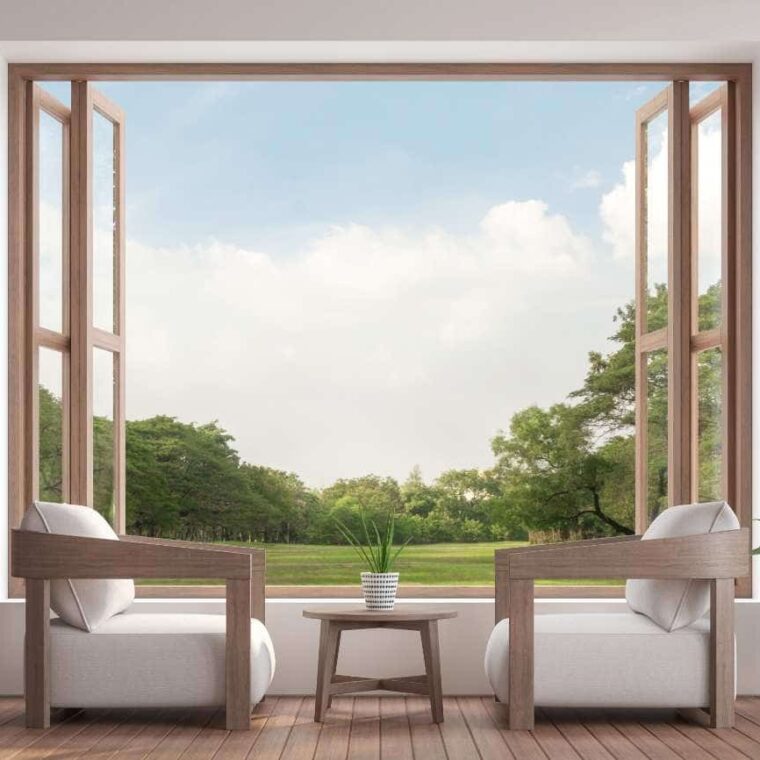


Great interiors aren’t just furnished; they’re curated. The difference is narrative coherence—your objects relate to each other and to the architecture. Here’s how to curate with intention.
Begin with a Narrative Thread
Pick a throughline: material (stone, bronze), motif (flora, geometry), or geography (Middle Eastern craft). Let this guide acquisitions and prevent impulse chaos.
Scale & Proportion
Go larger than you think—especially over sofas and dining. A single 180–220 cm piece can calm a wall more than a gallery of undersized frames. Conversely, use small, exquisite ceramics on deep window sills or shelves to reward close viewing.
Placement & Sightlines
End long corridors with sculpture on a plinth. Keep art visible from key thresholds (entry, kitchen island, bed). Avoid placing major pieces opposite high-glare windows.
Light Like a Museum (But Live Like a Home)
Use high-CRI (95+) adjustable spots at 30° to minimize glare and shadows. Add gentle wall washers for large canvases. For fragile works, avoid heat-heavy sources and direct sun.
Display Systems
Plinths: Stone or timber plinths with chamfered edges feel bespoke.
Shelving: Mix open and closed—display objects in odd-number groupings; hide visual noise in closed bays.
Frames: Consistency in frame depth and finish creates calm even across diverse content.
Commissioning & Community
Commission local makers—ceramicists, metalworkers, textile artists—to anchor your collection in place and time. It builds cultural value and often better scale for your rooms.
Rotate, Don’t Accumulate
Adopt a rotation calendar: refresh a wall every season. Store carefully with acid-free materials. Photograph and catalog pieces with dimensions and notes on display history.
Takeaway: Curation is editing. Elevate fewer pieces, support them with light and proportion, and let your home breathe.