


Trends matter when they improve how we live. The following ideas are more than looks—they solve for comfort, longevity, and wellbeing.
Tactile Minimalism
Minimalism is warmer now: limewashed walls, textured stone, boucle with tighter loops, ribbed timber, and handmade tile. The point is to create depth without clutter.
Sculptural Softness
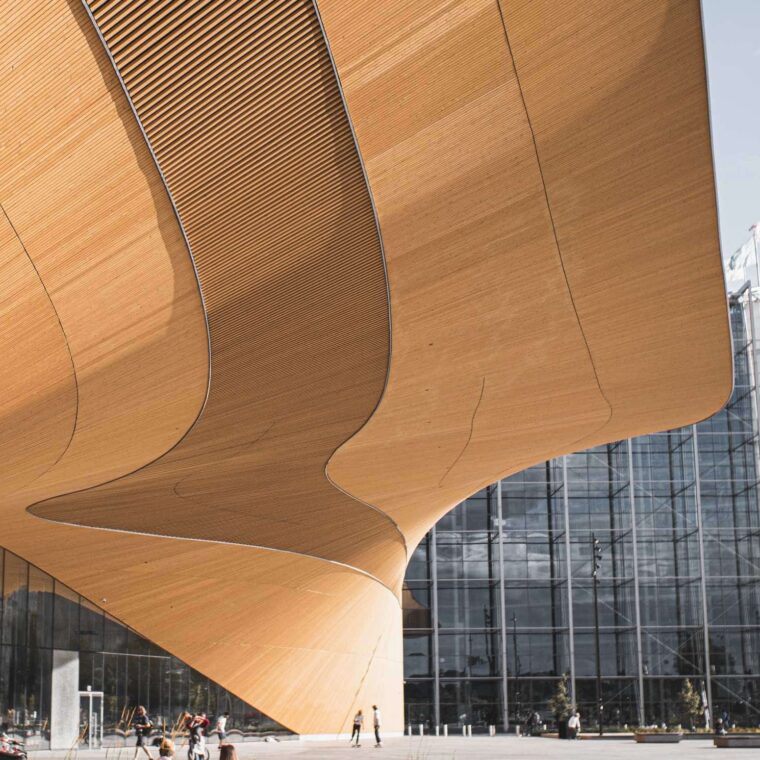
Curves remain compelling because they soften hard edges of urban life. Choose radius corners on islands, arched portals, and rounded sofa profiles. Avoid overdoing it—contrast with one rectilinear element per room to anchor the composition.
Statement Stone, Responsibly
Bold-veined marbles and travertines add quiet drama when used in concentrated blocks: a vanity, a coffee table plinth, a fireplace bench. Seal properly, choose honed over polished, and source with transparent documentation.
The Vintage–Contemporary Mix
New plus old yields character. Pair a mid-century walnut credenza with a modern microcement wall; frame vintage textiles as art. Aim for a 70/30 contemporary-to-vintage ratio to avoid pastiche.
Color: Mineral and Botanical
Warm neutrals continue, with accents of date‑palm green, terracotta, burnt umber, and oxidized blue. Black is used sparingly for outline and depth, not dominance.
Bio-Based & Repairable
Expect more cork, linoleum, and fast-renewing fibers. Choose furniture with replaceable parts and slipcovers; specify modular rugs for local repair rather than full replacement.
Flexible Living
Rooms wear multiple hats. Use track systems and pivot doors to morph spaces. Commission built-ins that integrate desks, charging, and hidden task lighting.
How to Apply Without Dating Your Home
Commit to neutral base finishes (stone, plaster, floors).
Inject trend elements through lighting, occasional furniture, and art.
Audit yearly and rotate accents—cushions, throws, loose rugs—to refresh without renovations.
Takeaway: Trends should be tools, not rules. Choose what elevates comfort and craft.