


A deep dive into Dubai’s signature interior design language—desert modern luxe—covering palettes, materials, spatial planning, lighting, and sustainable strategies that balance glamour and restraint.
Dubai interior design, desert modern, luxury interiors, microcement, travertine, indoor–outdoor living, sustainable luxury
Estimated read: 9–11 minutes
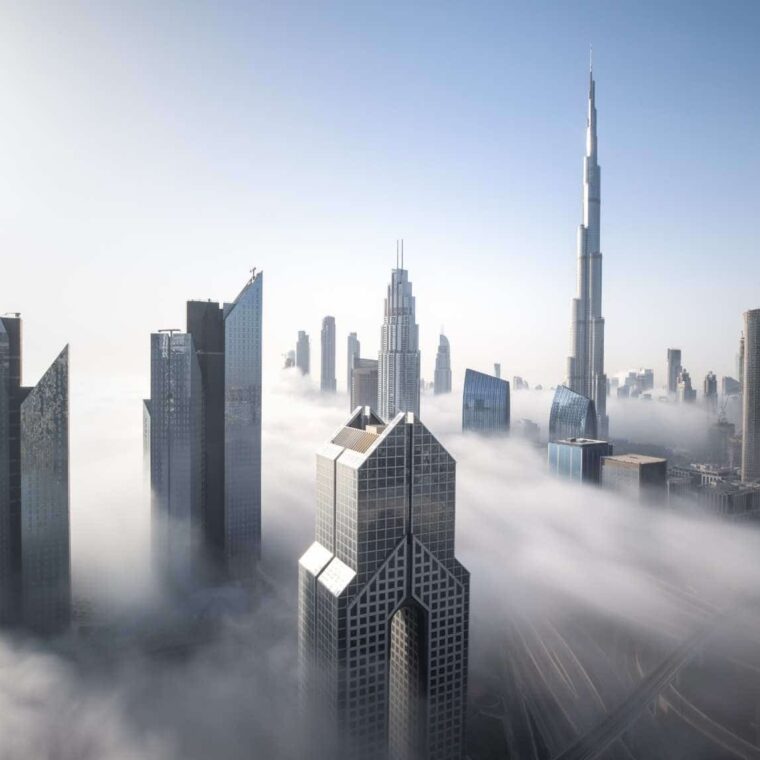
Dubai’s design scene has matured from pure spectacle into something more grounded—calm, tactile, and deliberately crafted. The new language is desert modern luxe: a style that borrows the region’s light, texture, and horizon lines, then distills them into spaces that feel both effortless and meticulously curated. The look is not about maximal spending; it’s about maximal intention. Below, we unpack the core elements—from palette to planning—so you can brief your designer like a pro.
Palette: Sun-Washed Neutrals with Mineral Accents
The city’s color story starts with sand: layers of warm neutrals (ecru, oat, camel) punctuated by mineral notes—date-palm green, oxidized blue, and bronze. Keep undertones warm to avoid sterility in abundant daylight. Matte finishes read richer than high gloss under intense sun. Add depth through natural variation: vein-cut travertine, soft-limed plaster, tadelakt, or microcement with hand-finished movement.
Materials: Honest, Tactile, and Heat-Smart
Prioritize stone, lime-based plasters, rift-cut oak, and brushed metals that patina gracefully. Travertine remains the Dubai staple because it’s timeless, forgiving, and stays cool to the touch. Microcement creates continuous surfaces (floors, walls, joinery) that visually enlarge rooms and withstand sand carried by seasonal winds. Use bronzed or champagne-toned metals instead of mirror-polished chrome to avoid glare.
Form & Proportion: Soft Geometry
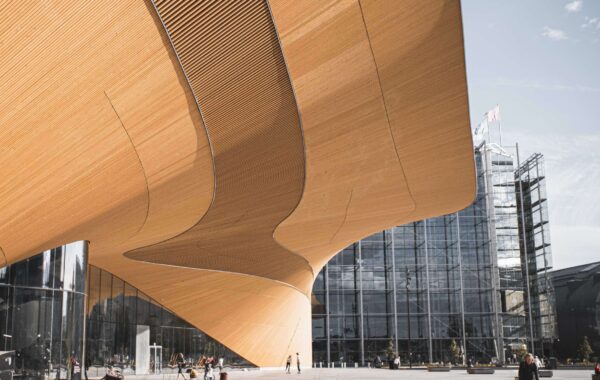
Rounded edges, fluted details, and low, grounded furniture reference dunes and wadis. Arches and softly framed portals bring romance without resorting to pastiche. In open plans, deploy half-height walls, radius corners, and integrated banquettes to delineate zones while preserving long sightlines.
Spatial Planning: Hospitality DNA at Home
Dubai homes increasingly borrow five-star hospitality logic: ceremonial entry moments, concealed service routes, and layered lighting scenes. Dedicate a proper drop zone at the entry, then open into a generous social core (living–dining–bar). Sliding pocket doors or pivot panels allow fluid transitions from formal majlis to intimate family areas. Plan long axes for drama; terminate them with art, a sculptural tree, or a framed view.
Lighting: Layered, Dimmable, and Glare-Aware
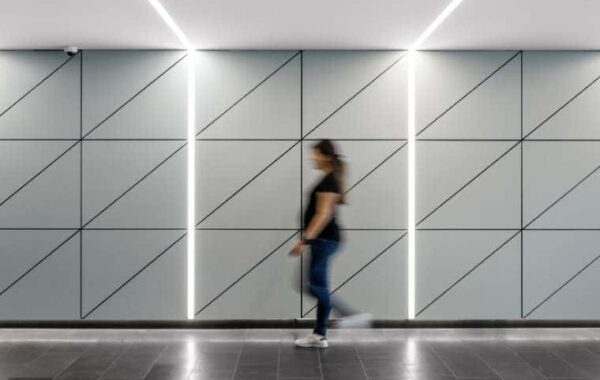
The sun here is abundant, so artificial lighting should complement, not compete. Start with concealed linear washes (2700–3000K), add precise downlights with proper beam angles over tasks, and finish with one or two statement pendants in stone, glass, or woven palm. Prioritize dimming and multiple circuits—luxury is control. For art, choose high-CRI (95+) accent lights and avoid UV-heavy sources.
Indoor–Outdoor Continuity: The True Luxury
Blur thresholds with level floors, large-format sliders, and identical floor finishes inside and out (accounting for slip resistance). Planting should feel native and drought-tolerant: ghaf, date palm, desert grasses, and fragrant herbs. Shade is performance architecture in this climate; pergolas with adjustable louvers out-perform fixed canopies across seasons.
Sustainability: Smart, Not Preachy
Opt for low-VOC finishes, high-performance glazing, and motorized shading that actually gets used. Integrate smart thermostats with occupancy sensors, specify efficient ceiling fans to reduce AC loads, and select stones with verified sourcing. Water-wise landscaping and greywater-ready infrastructure future-proof your villa without compromising aesthetics.
Styling: Restraint Over Clutter
Curate fewer, better objects. A single monolithic stone plinth, a ceramics trio with subtle glaze variations, or a woven silk rug with hand-cut pile are enough. In dining areas, placeware in bone china or textured stoneware feels appropriate against travertine. Let negative space breathe—silence is part of the composition.
Takeaway: Desert modern luxe is a practice of subtraction. When materials, light, and proportion are right, ornament becomes optional.