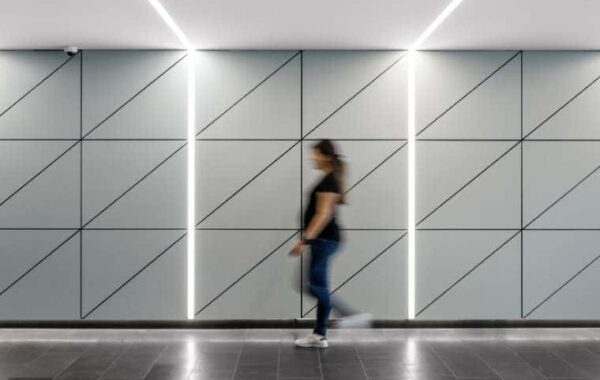




Smaller footprints don’t mean smaller lives. With the right planning, a 60–90 m² apartment can function like a boutique hotel suite that transforms from day to night.
Zoning by Edge Conditions, Not Walls
Define areas with ceiling drops, floor insets, curtains, and lighting scenes. A radius corner banquette separates dining from lounge without constricting movement. Use rugs as visual anchors but keep pile heights low for doors.
Built-Ins: The Space Multiplier
Custom joinery solves more than storage. Think of a wall system that integrates a fold-down desk, media, linen cabinet, and hidden task lighting. Built-in headboards can house side tables, chargers, and reading lights while freeing floor area.
Vertical Thinking
Use full-height doors, tall wardrobes with internal drawers, and floor-to-ceiling curtains to stretch perceived height. Align top lines (wardrobes, door heads, kitchen uppers) so the eye reads one continuous horizon.
Light that Flatters
Layer ambient (concealed linear), task (under-cabinet, reading), and accent (art spots). Limit downlights and avoid scalloping walls. Use warm temperatures (2700–3000K) for living, slightly cooler (3000–3500K) for kitchens.
Quiet is a Luxury
Treat party walls with acoustic panels behind artwork or fabric-wrapped headboards. Choose dense underlays under engineered timber floors. Seal gaps around sockets and service penetrations to reduce noise transfer.
Balcony as Bonus Room
Tile with exterior-rated slabs that echo interior flooring, add a slim bench with storage, and integrate planters with hardy species. A compact ceiling fan and dimmable sconces convert the balcony into an evening lounge.
Smart Living, Subtle Tech
Hardwire key circuits to a simple smart system for scenes (morning, work, dinner, cinema). Hide hubs in joinery and prioritize physical switches with clear labels—luxury is intuitive.
Takeaway: Compact living thrives on edges, layers, and built-ins. Where walls can’t move, details must.